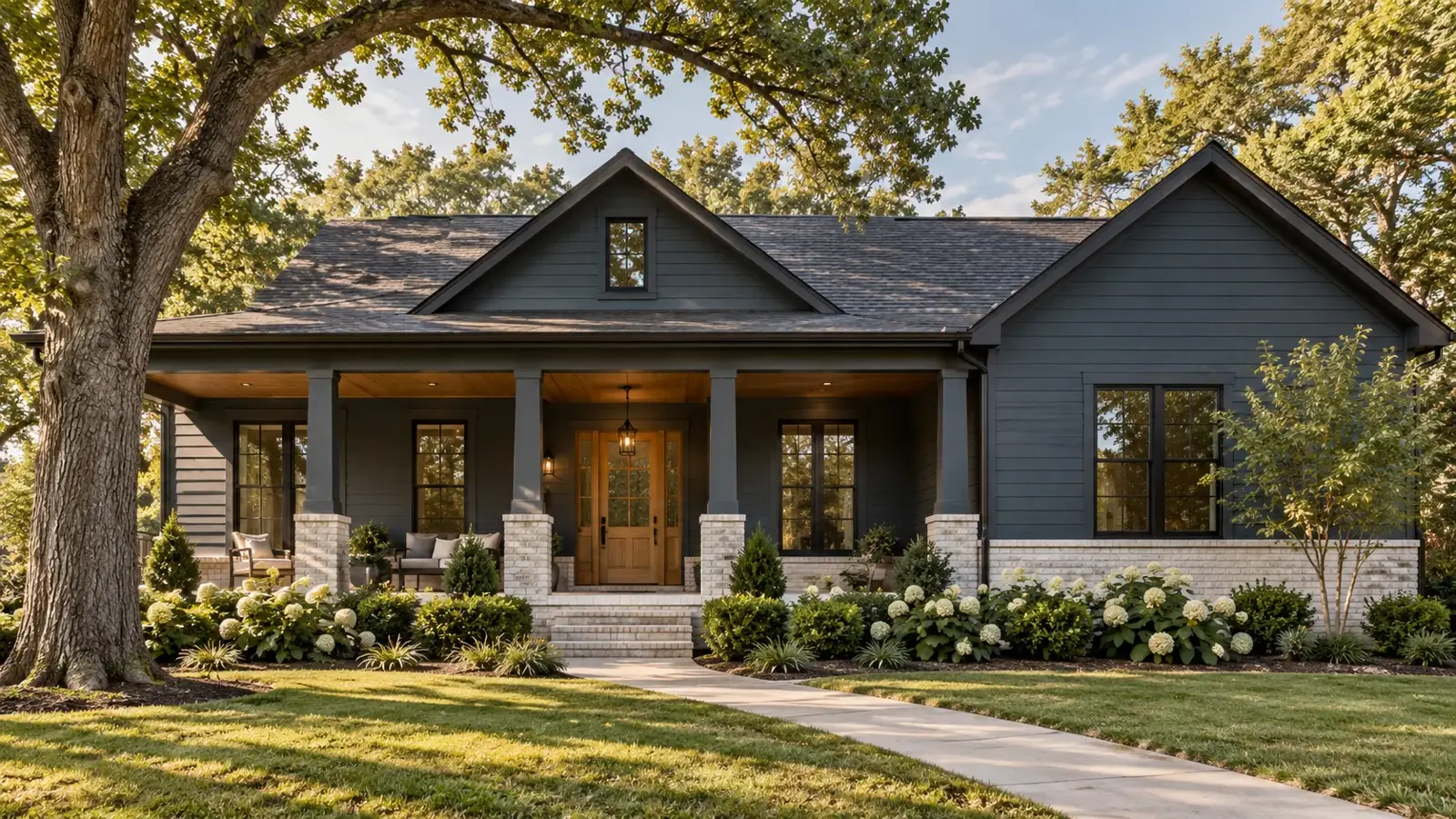
Financing for Roof Replacement and Roof Replacement on Finance
Home equity loans, HELOCs, personal loans, contractor plans, and FHA Title I loans all pay for a new roof. Your credit and equity set the best match.
By the ACM Pros team, Madison, AlabamaUpdated minute read
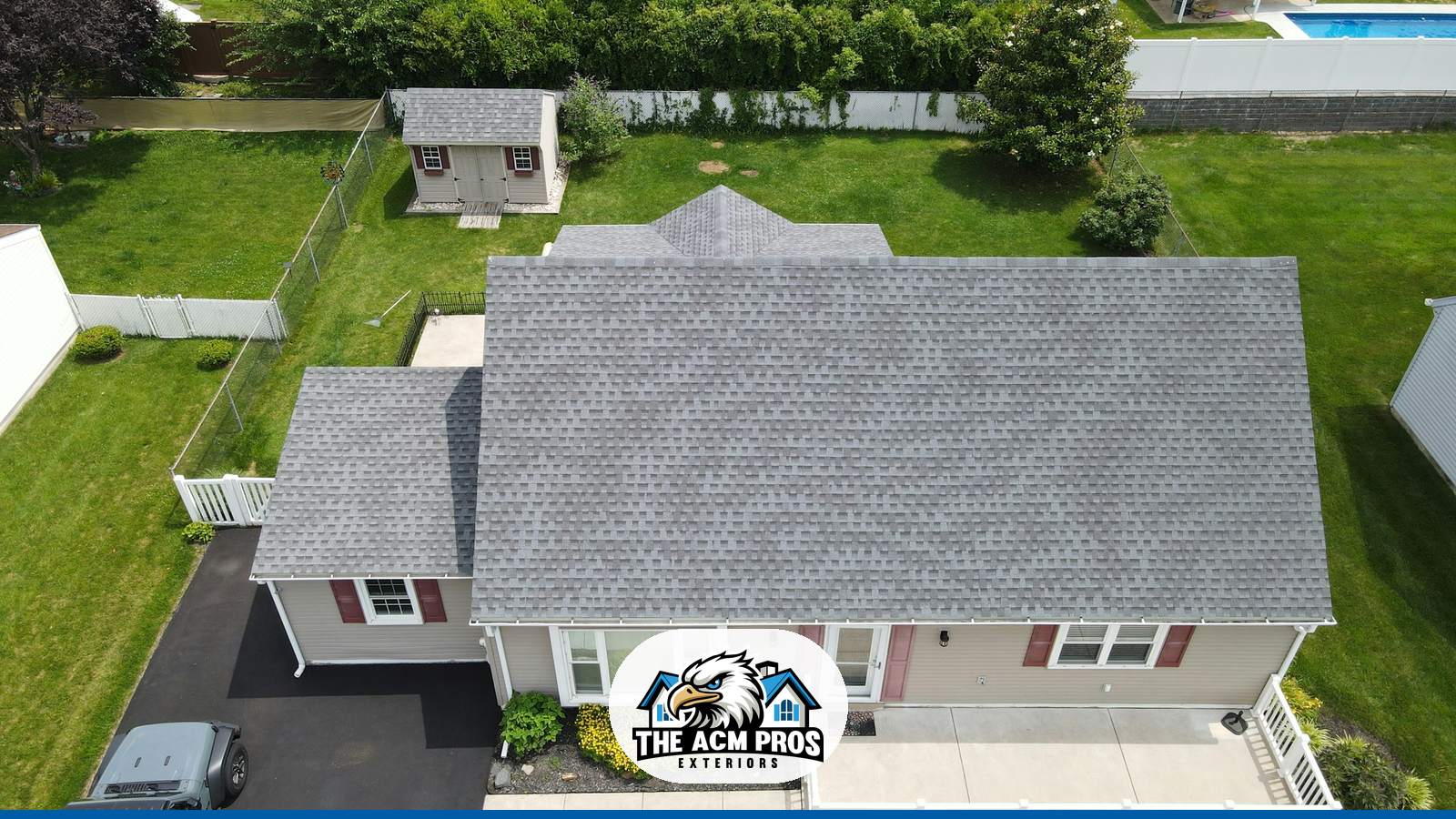
Yes, you can finance a roof replacement. A new roof averages about $9,500 and can pass $45,000 with premium materials. Financing for roof replacement runs through home equity loans, lines of credit, personal loans, contractor plans, and government-insured loans. Home equity options carry lower rates, while personal loans fund faster. Credit score, equity, and timeline decide the fit.
Key Takeaways
- Home equity loans and lines of credit allow borrowing up to 80% to 90% of home value minus the mortgage balance.
- Personal loans run from $1,000 to $100,000, with APRs from 6% to 36% based on credit.
- Contractor plans with 0% promotions can carry deferred interest, so the full balance must clear before the promotion ends.
- FHA Title I loans cover up to $25,000 on a single-family home.
- The federal 25C energy credit covered improvements only through December 31, 2025.
Can You Get Financing for a Roof Replacement?
You can get financing for a roof replacement through home equity, a personal loan, a contractor plan, or a government-insured loan. Financing for roof replacement is a standard home improvement purchase. NerdWallet puts the average bill at about $9,500, and premium materials push it past $45,000.
A roof replacement with financing spreads that bill into monthly payments. Homeowners comparing how to pay for roof replacement usually weigh savings first and borrowing second. Lenders treat a roof as a standard home improvement purpose. A full roof replacement includes tear-off, deck repair, underlayment, flashing, and new shingles, so the written scope sets the loan amount. Each financing type below carries its own rate, term, and collateral rules.
What Are the Financing Options for Roof Replacement?
Financing options for roof replacement include home equity loans, lines of credit, personal loans, contractor plans, and FHA Title I loans. Home equity products give the lowest rates, while personal loans give the fastest funding. The table compares the five options.
Roof replacement financing options compared
| Option | Amount or Limit | Term | Main Trade-Off |
|---|---|---|---|
| Home equity loan | 80% to 90% of home value minus mortgage | Up to 30 years | Home is collateral |
| HELOC | 80% to 90% of home value minus mortgage | 10-year draw, 20-year repayment | About 40 days to close |
| Personal loan | $1,000 to $100,000 | Fixed monthly payments | APR 6% to 36% |
| Contractor financing | Set by the lending partner | Promotion or long-term loan | Deferred interest, dealer fees |
| FHA Title I loan | Up to $25,000, single-family | Up to 20 years | Not every lender offers it |
These figures come from NerdWallet's roof financing comparison and HUD's Title I rules. The next sections explain how each option works in practice.
The graphic above summarizes the four main routes side by side. Home equity borrowing comes first because it carries the lowest rates.
How Does Home Equity Financing for a Roof Replacement Work?
Home equity financing for a roof replacement lets you borrow against the part of your home you already own. Lenders allow 80% to 90% of the home's value minus your mortgage balance. A $300,000 home with a $200,000 mortgage and an 80% limit leaves $40,000 available.
A home equity loan pays a lump sum with fixed payments over terms up to 30 years. A home equity line of credit, or HELOC, works like a credit card. A 10-year draw period and a 20-year repayment period are common. NerdWallet lists an average of 40 days to close a HELOC.
A cash-out refinance replaces the whole mortgage with a larger one and pays out the difference. All three options use the house as collateral, so missed payments put the home at risk. Borrowers without enough equity often compare personal loans next.
How Do Personal Loans for Roof Replacement Work?
Personal loans for roof replacement are unsecured loans that pay out a lump sum and repay in fixed monthly installments. Amounts run from $1,000 to $100,000 with APRs from 6% to 36%. The lowest rates go to borrowers with scores of 690 or higher.
No appraisal is needed, so funding arrives faster than with home equity products. Wells Fargo shows an example of $15,000 borrowed over 48 months at 14.99% APR, which means a $417 monthly payment. Longer terms lower the payment but raise total interest.
Pre-qualification shows a rate without a hard credit pull. Comparing three or more offers is a practical way to find the lowest APR for a roofing project. Contractor-arranged plans work differently, as the next section explains.
How Does Roof Replacement Financing Through a Contractor Work?
Roof replacement financing through a contractor works through a lender partner that offers a loan or a payment plan. Promotional plans advertise 0% interest for a set number of months. Standard rates apply after the promotion ends.
Deferred interest is the main risk. The Consumer Financial Protection Bureau explains that deferred interest accrues from the purchase date. The lender waives it only when you pay the full balance before the promotion ends. One missed deadline adds all back interest.
Some programs also add a dealer fee to the roof price, which raises the quoted cost. Comparing the cash price with the financed price shows the true cost. We do not arrange financing at The ACM Pros, and we give a free written estimate so you can shop lenders yourself.
What Government Programs Help Pay for a Roof Replacement?
Government programs that help pay for a roof replacement include FHA Title I loans and FHA 203(k) renovation loans. FHA Title I covers up to $25,000 on a single-family home with terms up to 20 years. NerdWallet notes that FHA-insured home improvement loans accept lower credit scores than conventional mortgages.
An FHA 203(k) loan rolls renovation costs, such as a new roof, into a home purchase or refinance. Not every lender offers Title I, so applicants ask lenders about it directly. Local weatherization and repair programs vary by county.
Tax rules matter as well. The IRS limits the 25C Energy Efficient Home Improvement Credit to improvements made through December 31, 2025. A roof replaced in 2026 does not earn it. The IRS allows home equity interest deductions only when the loan buys, builds, or substantially improves the home that secures it.
What Credit Score Is Needed to Finance a Roof Replacement?
The credit score needed to finance a roof replacement is about 680 for a home equity loan. Personal loan lenders list minimums of 600 to 660. Scores of 690 or higher earn the lowest personal loan rates. Lenders also weigh income and existing debt.
Credit score benchmarks by financing type
| Financing Type | Score Benchmark | Lower Score Result |
|---|---|---|
| Home equity loan | 680 listed minimum | Smaller loan or denial |
| Personal loan | 600 to 660 listed minimums | Higher APR, up to 36% |
| Lowest personal loan rates | 690 or higher | Standard rates apply |
| FHA-insured loan | Below conventional minimums | Lender sets its own floor |
Lenders publish these listed minimums, but each one sets its own cutoff. A score near 500 narrows the list to lenders that price for risk, and rates run higher. FHA-backed loans and secured loans give lower-score applicants more room.
How to Finance a Roof Replacement Step by Step
To finance a roof replacement, start with a written estimate and finish by comparing at least three loan offers. The estimate sets the amount you need to borrow. The numbered steps below follow that order, and they apply to any financing for roof replacement.
- Get a written estimate that lists tear-off, decking, underlayment, flashing, and shingles.
- Check your homeowners policy first, because sudden storm damage may be covered.
- Calculate your equity by subtracting your mortgage balance from 80% to 90% of home value.
- Pre-qualify with three lenders to compare APR, fees, and term.
- Choose the loan with the lowest total cost, not the lowest monthly payment.
- Sign the roofing contract after funding is approved.
A free written estimate gives lenders the exact project cost they ask for in step one.
The graphic repeats the six steps in order. The next section answers the side questions homeowners ask most.
What Else Should You Know About Roof Financing?
Roof financing raises several side questions about insurance, savings, and affordability. The answers below stay short so you can find yours fast.
Will Insurance Pay for a New Roof?
Homeowners insurance pays for a new roof when a covered event such as a storm caused the damage. Wear and age are not covered. Checking the policy before borrowing can remove the need for a loan.
Is a New Roof Tax Deductible in 2026?
A new roof is not directly tax deductible in 2026 for most owners. Only interest on a home equity loan used for the improvement may qualify. The 25C credit ended with improvements made after December 31, 2025, so a tax professional can confirm your situation.
What If You Cannot Afford to Replace Your Roof?
When you cannot afford to replace your roof, a repair quote and a financing plan are the two first moves. A roofer can price a repair when a repair is enough. A small repair may fit a personal loan, while a full replacement may need home equity.
How Do You Save Money for a New Roof?
To save money for a new roof, divide the replacement cost by the months you can wait. A $9,500 roof needs about $396 a month over 24 months. Keeping the roof maintained keeps the wait safe.
Can You Get Financed With a 500 Credit Score?
A 500 credit score can still get financed, though few lenders approve it. Rates run higher and loan amounts run smaller. Secured loans and FHA-backed loans give these applicants more room. A co-signer or a larger down payment can also improve the offer.
Should You Pay Cash or Finance a Roof Replacement?
You should finance a roof replacement when paying cash would drain your emergency savings. Cash costs no interest, so it wins when the savings stay intact. A true 0% promotion paid off in time can also work like cash. Comparing total interest across both paths settles the choice.
Is It Hard to Get Approved for Roof Financing?
Getting approved for roof financing is manageable with a score above 600 and steady income. Lenders approve based on credit, income, and debt. Pre-qualification shows approval odds without a hard credit pull.
How Can The ACM Pros Help With Your Roof Replacement?
The ACM Pros helps with a roof replacement by providing a clear written scope that lenders and homeowners can compare. We are a family-owned contractor run by Brad and Chase Miller in Madison, Alabama. Our team has served North Alabama and Middle Tennessee since 2019. We hold an Alabama license and carry insurance for residential and commercial work.
Family ownership means the Miller family stands behind each estimate. Our estimates are free and written, and we do not arrange financing ourselves. Bring the written scope to any lender, and the loan amount follows from the line items.
Before you decide, you can review completed roofing projects with real job photos. Photos show tear-off, decking, flashing, and finished shingles. Those images help you judge the workmanship behind each line item in an estimate.
Homeowners looking for more context can also read homeowner reviews and compare that feedback with their own priorities. Reviews show how a roofing crew communicates, schedules the work, and cleans up the property after tear-off and installation.
Our roof replacement project work covers tear-off, deck repair, underlayment, flashing, and attic ventilation. We quote a repair when a repair is enough. That honest scope keeps the amount you borrow as small as the job allows. A smaller loan also means lower interest over the full term, whichever lender you choose.
Bring the scope to every lender you contact, and compare the rate, fees, and term side by side. A clear comparison protects your budget during the whole project. Talk with The ACM Pros about your roof, and we will match the written scope to the option you choose. Bring photos of the damage, the age of the roof, and any questions about materials, timing, or the payment option you prefer. Our team reviews those details before the free written estimate is prepared.
Call (256) 585-6817.